

-
×
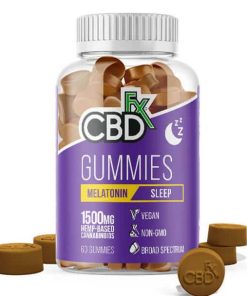 CBDfx - Melatonin Gummies, 25mg/60ct
3 × $54.99
CBDfx - Melatonin Gummies, 25mg/60ct
3 × $54.99 -
×
 CBDfx - Dog Joint Support Soft - 20mg
6 × $39.99
CBDfx - Dog Joint Support Soft - 20mg
6 × $39.99 -
×
CBDfx - Mixed Berry Gummies, 25mg/60ct
8 × $54.99
-
×
CBDfx - Turmeric / Spirulina Gummies, 25mg/60ct
6 × $54.99
-
×
CBDfx - Dog Calming Chews Hard - 20mg CBD Each
2 × $39.99
-
×
CBDfx - Heating Muscle and Joint Cream 1000mg
5 × $49.99
-
×
CBDfx Gummies - Hemp Gummy Bites Mixed 50mg Berry
7 × $84.99
-
×
CBDfx - Broad Spectrum CBD Dog Treats for Joint Mobility - 20mg
4 × $39.99
-
×
CBDfx - Melatonin Gummies, 50mg CBD - 60ct
5 × $84.99
-
×
CBDfx - Fish Oil Infused CBD Hard Dog Chews - 20mg
3 × $39.99
-
×
Tasty Drops - Cat Tincture, 1oz/200mg
2 × $19.99
-
×
CBDfx - Cooling Muscle and Joint Salve 1000mg
6 × $49.99
-
×
CBDfx - Vegan CBD Dog Chews for Stress Management - 20mg
3 × $39.99
-
×
CBDfx - Apple Cider Vinegar Gummies, 25mg/60ct
4 × $54.99
-
×
Made by Hemp - Paw Balm 1.6oz/500mg
4 × $29.99
-
×
Tasty Hemp Oil: Tasty CBD for Dogs (200 mg CBD)
1 × $19.99
-
×
Made by Hemp - CBN Softgels, 20mg CBD / 5mg CBN - 30ct
5 × $49.99
-
×
Made by Hemp - Softgels, 25mg/30ct
3 × $49.99
-
×
Made by Hemp: Cooling CBD Salve (500mg CBD)
5 × $39.99
-
×
Made by Hemp: Blue Chamomile & Hemp Face Serum -- 1oz (100mg CBD)
4 × $29.99
-
×
Made by Hemp - CBD/CBG Glycolic Acid Serum, 1oz/150mg
5 × $39.99
-
×
Wyld Elderberry CBD + CBN Gummies
7 × $39.99
-
×
Made by Hemp - CBN Rest Tincture, 1oz/300mg
3 × $69.99
-
×
Made by Hemp: CBG Oil Tincture (1000mg)
6 × $49.99
-
×
Made by Hemp - CBG/CBD Oil Tincture (1000mg)
6 × $49.99
-
×
Made by Hemp - CBD/CBG Vitamin C Serum 1oz/100mg
9 × $39.99
-
×
Made By Hemp: Face Cleanser -- 2oz
5 × $19.99
-
×
Plus CBD Oil: Hemp Balm Extra Strength (100 mg CBD)
7 × $34.99
-
×
Wyld Peach CBD + CBC Gummies
2 × $39.99
-
×
Tasty Hemp Oil: CBD Gel Caps - 30ct (450mg CBD)
5 × $34.99
-
×
Made by Hemp - Tattoo Balm 500mg/1.6oz
4 × $29.99
-
×
Made By Hemp: Face Toner -- 2oz
4 × $19.99
-
×
CBDfx - Dog Skin and Coat Health Soft Chews - 20mg
1 × $39.99
-
×
Entourage - Wholeflower CBD Microcaps BS Deep Sleep
1 × $89.99
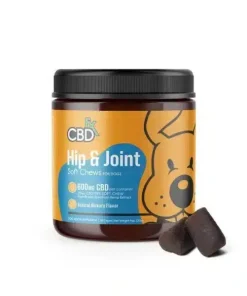 CBDfx - Dog Joint Support Soft - 20mg
 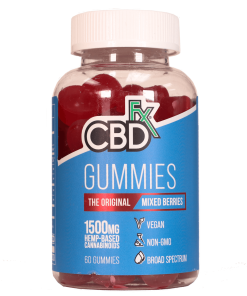 CBDfx - Mixed Berry Gummies, 25mg/60ct
 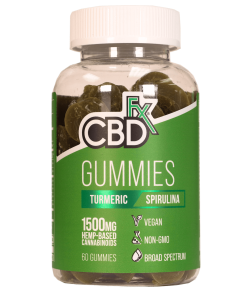 CBDfx - Turmeric / Spirulina Gummies, 25mg/60ct
 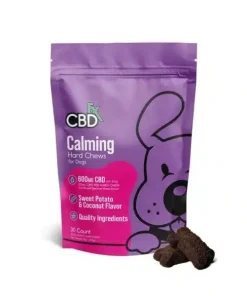 CBDfx - Dog Calming Chews Hard - 20mg CBD Each
  CBDfx - Heating Muscle and Joint Cream 1000mg
 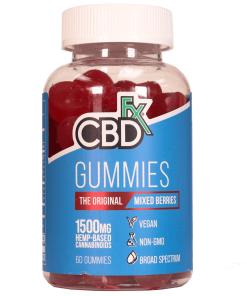 CBDfx Gummies - Hemp Gummy Bites Mixed 50mg Berry
 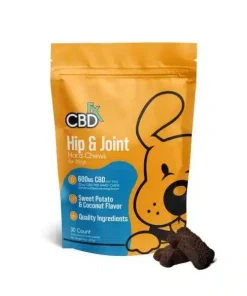 CBDfx - Broad Spectrum CBD Dog Treats for Joint Mobility - 20mg
 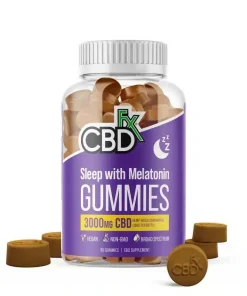 CBDfx - Melatonin Gummies, 50mg CBD - 60ct
  CBDfx - Fish Oil Infused CBD Hard Dog Chews - 20mg
 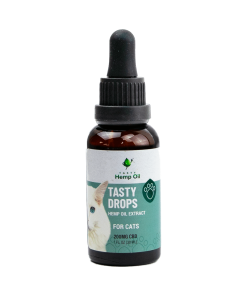 Tasty Drops - Cat Tincture, 1oz/200mg
 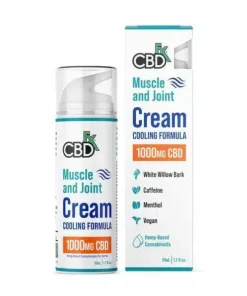 CBDfx - Cooling Muscle and Joint Salve 1000mg
 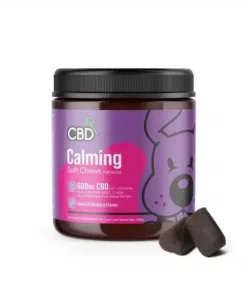 CBDfx - Vegan CBD Dog Chews for Stress Management - 20mg
 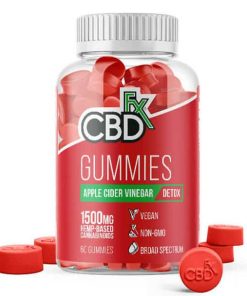 CBDfx - Apple Cider Vinegar Gummies, 25mg/60ct
 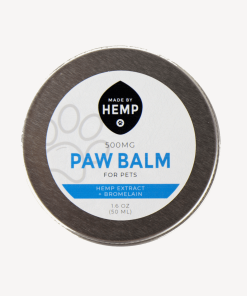 Made by Hemp - Paw Balm 1.6oz/500mg
 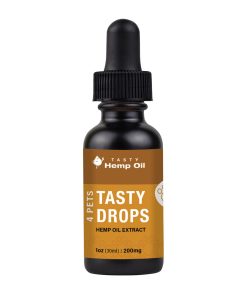 Tasty Hemp Oil: Tasty CBD for Dogs (200 mg CBD)
 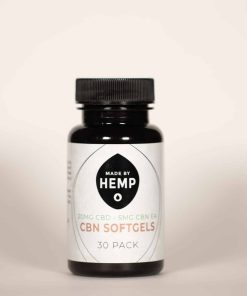 Made by Hemp - CBN Softgels, 20mg CBD / 5mg CBN - 30ct
 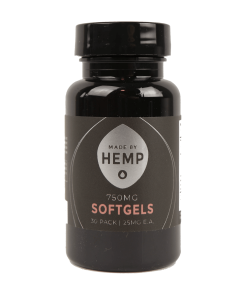 Made by Hemp - Softgels, 25mg/30ct
 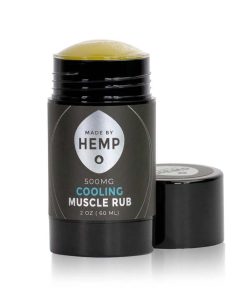 Made by Hemp: Cooling CBD Salve (500mg CBD)
 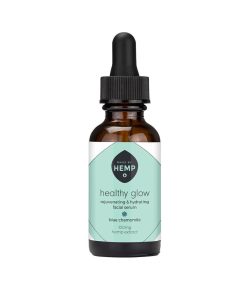 Made by Hemp: Blue Chamomile & Hemp Face Serum -- 1oz (100mg CBD)
  Made by Hemp - CBD/CBG Glycolic Acid Serum, 1oz/150mg
 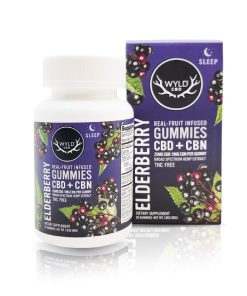 Wyld Elderberry CBD + CBN Gummies
 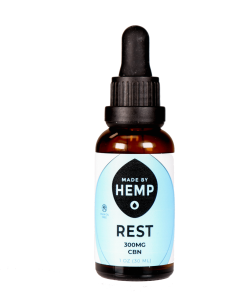 Made by Hemp - CBN Rest Tincture, 1oz/300mg
 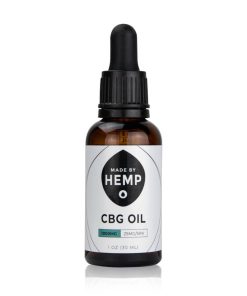 Made by Hemp: CBG Oil Tincture (1000mg)
 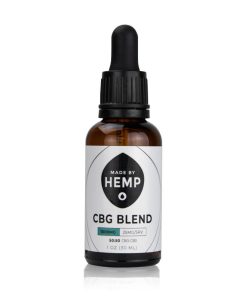 Made by Hemp - CBG/CBD Oil Tincture (1000mg)
 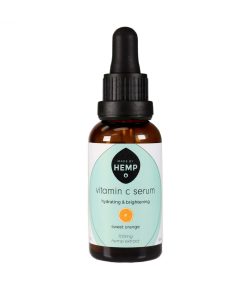 Made by Hemp - CBD/CBG Vitamin C Serum 1oz/100mg
 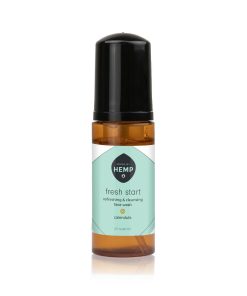 Made By Hemp: Face Cleanser -- 2oz
 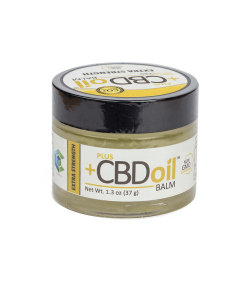 Plus CBD Oil: Hemp Balm Extra Strength (100 mg CBD)
 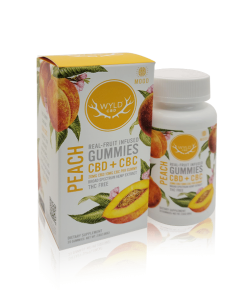 Wyld Peach CBD + CBC Gummies
 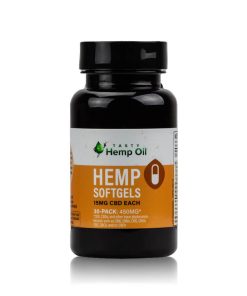 Tasty Hemp Oil: CBD Gel Caps - 30ct (450mg CBD)
 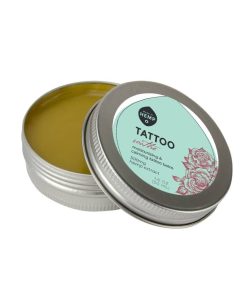 Made by Hemp - Tattoo Balm 500mg/1.6oz
 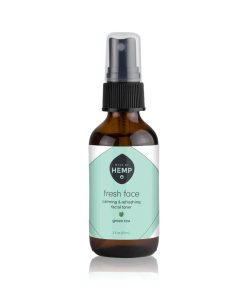 Made By Hemp: Face Toner -- 2oz
  CBDfx - Dog Skin and Coat Health Soft Chews - 20mg
 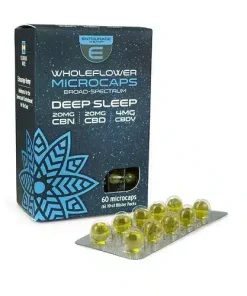 Entourage - Wholeflower CBD Microcaps BS Deep Sleep
 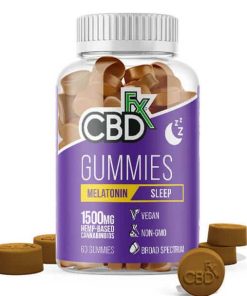 CBDfx - Melatonin Gummies, 25mg/60ct
 Education
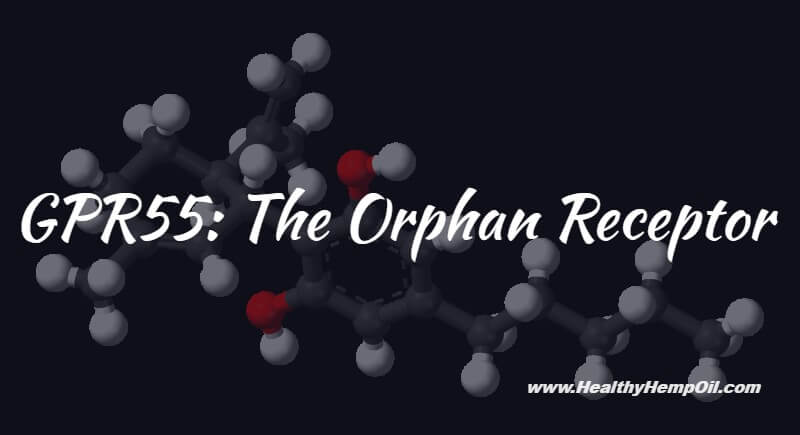
GPR55: The Orphan Receptor
21
Jun
Jun
Everything you wanted to know about this novel cannabinoid receptor and were too perplexed to ask.
Cannabis has been enjoyed for its many perceived therapeutic benefits throughout the course of human history.
There are many studies underway attempting to find a correlation between consumption of marijuana and analgesic effects, including alleviation of pain, insomnia, and perhaps even anxiety.
These benefits may be brought about by cannabinoid receptors (we’ll discuss just what a receptor is shortly) in the central nervous system and peripheral tissues, facilitating the psychotropic and behavioral effects of cannabis.
The receptors, CB1 and CB2, are both G protein-coupled receptors (we’ll discuss this later too) that engage with cannabinoid compounds. However, there exists evidence that suggests that these are not the only receptors that contribute to the behavioral, immunological, and vascular actions of THC, CBD, and other cannabinoids. “GPR55 has recently attracted much attention as another member of the cannabinoid family, potentially explaining physiological effects that are non-CB1/CB2 mediated,” according to Mary E. Abood from Temple University in Philadelphia. But more on that later…
So, what is a receptor?
In pharmacology and biochemistry, a receptor is defined as a protein-molecule that receives certain chemical signals from out with a cell. When these signals bind to a receptor, they provoke some sort of cellular or tissue-level response, such as a change in the electrical activity of a cell.
Each and every single receptor is linked to a specific cell’s biochemical pathway, and each receptor will only bind with ligands (a molecule that binds to another, usually larger, molecule) of a particular structure. In other words, just like a lock will only accept its corresponding key, when a ligand binds to its corresponding receptor, it will either switch on or shut down the receptor’s biochemical pathway.
And what is a G protein-coupled receptor?
G protein–coupled receptors (GPCRs) – also known as a seven-transmembrane domain receptor, 7TM receptor, heptahelical receptor, serpentine receptor, and G protein–linked receptor (GPLR), but you probably didn’t need to know that – make up a large part of the protein family of receptors that sense molecules outside the cell and activate certain cellular responses.
Coupling with G proteins, they are called seven-transmembrane receptors because they pass through the cell membrane seven times.
These G protein–coupled receptors are only to be found in eukaryotes (any organism whose cells contain a nucleus and other organelles enclosed within membranes), including yeast, choanoflagellates (a group of free-living unicellular organisms), and mammals.
The ligands that bind and provoke a response in these receptors include light-sensitive compounds, odors, pheromones, hormones, and neurotransmitters. They vary in size from small molecules and peptides to larger proteins.
The G protein–coupled receptors are involved in many diseases, and are also the target of around 40% of all modern medicinal drugs.
While we’re on the subject of G protein-coupled receptors, what is GPR55?
Deep breath.
GPR55 is a G protein-coupled receptor that, along with GPR119 and GPR18, has been identified as a likely receptor for cannabinoids.
It is often referred to as an orphan receptor because it hasn’t yet been scientifically placed into a family of receptors.
It was identified and cloned for the first time in 1999 and was later identified as a hypothetical cannabinoid receptor due to a similar amino acid sequence in the binding region.
GlaxoSmithKline and AstraZeneca both researched the GPR55 receptor extensively in the hope that it was responsible for the blood pressure-lowering properties of cannabinoids. While GPR55 is in fact activated by plant and synthetic cannabinoids, it is still inconclusive if it results in an altered state of blood pressure regulation.
Why is the discovery of GPR55 important?
Okay, so we’ve finally arrived at the reason why we’re discussing GPR55 in the first place.
The GPR55s are predominantly located throughout the brain, with a particular concentration in and around the cerebellum, where it is utilized in regulating bone density and blood pressure.
So, for example, if you had an overactive GPR55 receptor it could be linked to osteoporosis. This is because its signaling would increase, and the receptor would promote osteoclast cell behavior, which is responsible for bone resorption (a process in which the calcium in your bones is broken down and transferred from the bone to the blood, therefore weakening the bone).
When activated, GPR55 also aids in the rapid growth of cancer cells and has been linked to many types of cancer.
And what impact does CBD have on these receptors?
The impact of cannabidiol on these receptors could have potentially massive implications on the way in which a number of conditions are treated.
For instance, CBD has been observed as activating certain receptors, such as the A2A adenosine and the 5-1HT1A serotonin receptors. Scientists are working hard to figure out if this process brings about anti-inflammatory and anti-depressant effects.
On the other hand, studies have indicated that CBD may as an antagonist when it comes to GPR55, in that it may block or deactivate the receptor, and therefore decrease cancer cell growth and bone resorption. However, more studies are needed to help verify these initial findings. It is important to remember that our products are not intended to diagnose or treat any medical conditions.
GPR55 – A quick summary of what we know
Here is a brief overview of what we currently understand about the GPR55 receptor:
- GPR55 has been dubbed an “orphan receptor”. This is because scientists are still unsure if it belongs to a larger family of receptors.
- GPR55 is widely expressed in the brain, especially in the cerebellum. It is involved in modulating bone density and blood pressure, among other physiological processes.
- GPR55 promotes osteoclast cell function, which causes bone resorption. Overactive GPR55 receptor signaling has been associated with osteoporosis.
- GPR55, when activated, has also been shown to promote cancer cell growth. This receptor is expressed in various types of cancer.
- CBD has been observed as a possible GPR55 antagonist.
Understanding CBD’s relationship with certain receptors, as both an agonist (in that it causes an action) and antagonist (in that it blocks an action), could further medical marijuana’s reputation as a legitimate treatment option for a number of conditions.
Of course, there is still a great deal of research required before we have absolute clarity with regards to the role of cannabinoids in prohibiting certain diseases and helping manage pain.
And while in it’s early days, the most recent forays into cannabidiol research are promising.
While the concept of GPR55 may seem complex, it’s an important factor to study while trying to figure out the precise advantages of CBD. Do you think more studies involving cannabinoid receptors should be conducted? If so, why? Let us know in the comments below.
FDA Disclaimer: These statements have not been evaluated by the Food and Drug Administration. Products sold by Healthy Hemp Oil are not intended to diagnose, treat, cure, or prevent any disease. The information on our website is intended to provide general information regarding our products and is not to be construed as medical advice or instruction. Read more